Spicy Burger: A Friendly Display Font for Editorial Design
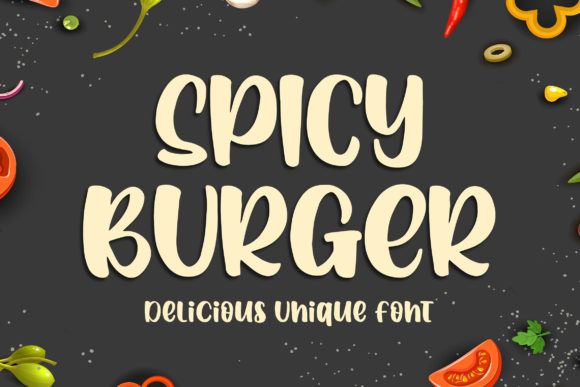
I was redesigning a seasonal recipe ebook, and the cover felt… flat. The title needed warmth, a sense of invitation, a visual handshake. It had to convey both the casual joy of cooking and the elegance of a well-made guide. I opened my font library and began scrolling through familiar options—a reliable serif, a crisp sans-serif—but nothing sparked that connection. Then I found Spicy Burger, a display font that promised something different: an incredibly friendly feel.
Why Spicy Burger Works for Lifestyle Blogs and Editorial Headers
Choosing Spicy Burger as a display font wasn't about finding the loudest or most ornate option. It was about selecting a typographic voice. Its character is instantly approachable; the rounded terminals and open letterforms create a rhythm that feels conversational rather than declarative. For a blog header or magazine feature title, this matters immensely. It sets a mood before the reader absorbs a single word, telling them the content is meant to be enjoyed, not just consumed. In editorial design, the first impression is often a typographic one, and Spicy Burger handles that role with a calm, confident charm.
Creating Visual Hierarchy with Spicy Burger Fonts
As a display typeface, Spicy Burger excels at establishing visual hierarchy. In my recipe ebook layout, I used it exclusively for chapter titles and major section headers. Its distinct personality creates a clear pause, signaling to the reader that a new idea or collection is beginning. This is crucial in long-form digital content like ebooks or course PDFs, where maintaining engagement relies on clear structural cues. Pairing it with a neutral, highly readable serif for the body text created a perfect balance: the friendly accent of Spicy Burger for emphasis, and a comfortable, traditional font for the main reading experience.
Spicy Burger for Web Design and Social Media Graphics
The product details mention that Spicy Burger looks spectacular for web, print, or moving images. In practice, this versatility is a designer's relief. For the web, I tested it in a newsletter header graphic. Its clarity on mobile screens was excellent; the friendly curves didn't degrade or become pixelated at smaller sizes. For social media graphics announcing the ebook, Spicy Burger provided immediate brand consistency. Using the same display font across the ebook cover, promotional graphics, and website banners created a cohesive identity without feeling rigid. It’s a creative font that adapts to the platform, not one that forces the design to adapt to it.
Using Spicy Burger Fonts in Printable Guides and Wedding Invitations
The "cute and casual" description of Spicy Burger opens a niche for printable materials that require warmth. Beyond my recipe project, I envisioned it for a wedding planning guide or a printable party planner. For wedding invitations and elegant branding, a font must balance personality with sophistication. Spicy Burger, with its soft, rounded forms, can achieve this when paired with delicate serif accents for secondary text. It suggests celebration and personal care, making it suitable for materials meant to feel hand-crafted and thoughtful. For any printable guide—a coaching workbook, a lifestyle planner—this font adds a layer of human touch that sterile, geometric typefaces often lack.
Readability Considerations for Digital Magazine Layouts
A common question with any display font is readability over distance or in dense layouts. In testing Spicy Burger for a digital magazine feature page, I used it for pull quotes and sidebar headings. Its open letter spacing and distinct shape held up well, even when scaled down slightly within a column. It’s important to remember its primary role: it's a display font, not a body font. For long paragraphs, a dedicated serif or sans-serif is essential. But for those strategic moments where you want to capture attention, inject personality, or break the monotony of a page, Spicy Burger performs beautifully without sacrificing legibility.
How to Pair Spicy Burger with Serif and Sans Serif Fonts
Successful editorial design hinges on thoughtful font pairing. The friendly, casual mood of the Spicy Burger font needs a counterpoint. For most of my projects, I pair it with a classic serif font like Garamond or Caslon for body text. This combination offers a timeless readability for the main content while letting the display font shine in its accent role. For a more modern, clean look—perhaps for a tech-related newsletter or a minimalist printable—pairing Spicy Burger with a straightforward sans-serif like Helvetica Neue or Inter creates a dynamic contrast. The key is to let Spicy Burger be the personality, and choose its partner for pure function.
Checking Commercial Font Licensing for Ebooks and Templates
Before committing to any font for a publication or digital product, checking its licensing is a non-creative but vital step. When using Spicy Burger in commercial projects like ebooks, client publications, or templates for sale, you must ensure the license covers your use. Most quality fonts from reputable sources include clear commercial licensing. Also, inspect the included styles: does it have alternate characters, ligatures, or multiple weights? These features can add nuance to your designs, allowing for unique logotypes or more dynamic headings within your brand identity. For a font meant for "anything else," as the description states, having these tools at hand maximizes its potential.
My experiment with Spicy Burger transformed a simple recipe ebook into a publication that felt genuinely inviting. It wasn't just about aesthetics; it was about using typography to build a better reading experience. The font’s friendly character bridged the gap between the author and the audience before a single recipe was read. For bloggers, publishers, and designers crafting content that seeks connection—whether it's a lifestyle blog redesign, a heartfelt wedding guide, or a weekly creator newsletter—a font like Spicy Burger isn't merely a design asset. It's a quiet collaborator in the story you're trying to tell.